

PrescriptionClinician-reviewed
Weight loss with Koves
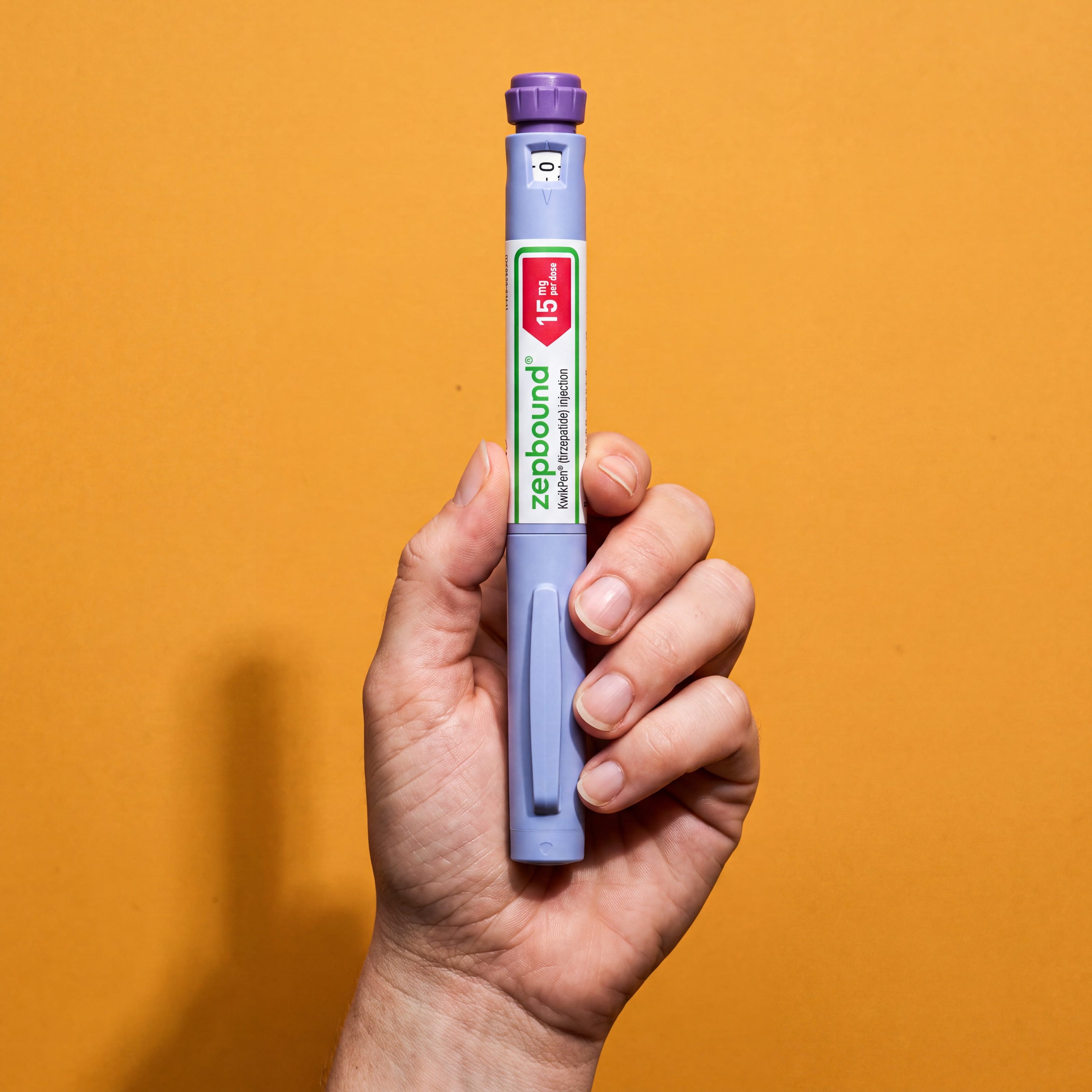
A licensed provider reviews your visit and prescribes a GLP-1 if it is appropriate. Dose changes, messaging and delivery are included.
See the treatmentRoughly how much water a day your body size and your training point to. It is a starting figure — thirst and the colour of your urine are better day-to-day guides than any calculation.
Aim for about
2.7L/day
2.5–2.9 L across the published range
2 – 3 L
The range most adults land in, and close to the population adequate intakes for total water once food is counted.
This does not apply if you have heart failure, kidney disease or liver disease, or if a clinician has put you on a fluid restriction — in those cases the figure comes from them, not from a calculator.
Nothing you entered above follows this link.
Not medical advice. This tool is for general information and does not diagnose any condition or replace a clinician. Everything you enter stays in your browser — Koves does not store it, receive it, or carry it into a visit.
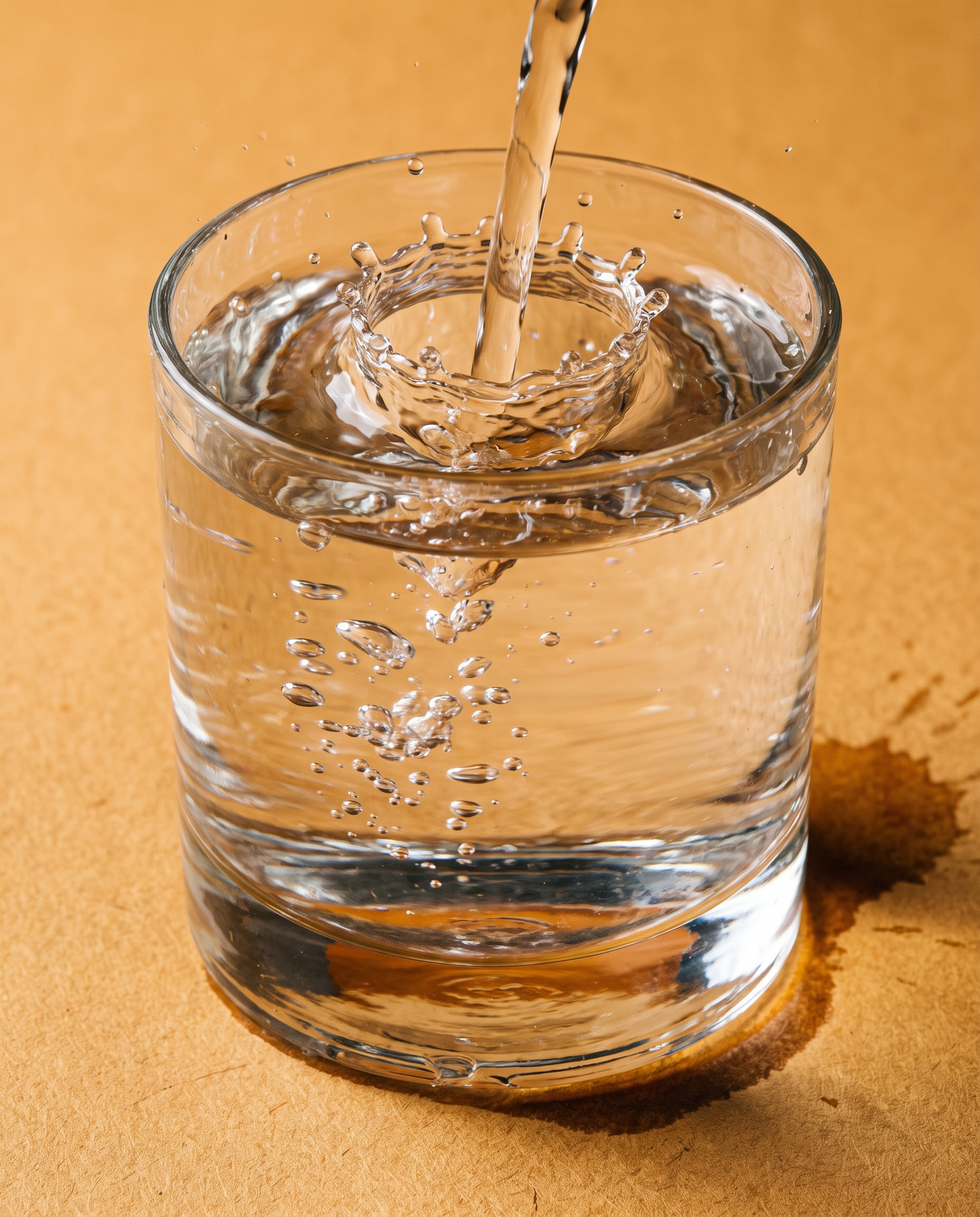
There are two ways to answer this and they disagree politely. The official figures are population adequate intakes: the US reference values put total water at 3.7 L a day for men and 2.7 L for women, and the European values at 2.5 L and 2.0 L. Those are fixed numbers that take no account of how big you are.
The clinical shorthand scales instead: 30 to 35 ml per kilogram of body weight a day. This calculator uses the midpoint of that and prints the range either side of it, because the range is the honest answer.
The official figures are for TOTAL water, which includes what you get from food — roughly a fifth of intake for most people. A target for drinks alone is lower than the headline number.
Nearly everything you drink counts. Tea, coffee, milk, juice and soft drinks are mostly water and contribute accordingly; the old claim that caffeine dehydrates you does not hold at ordinary intakes, because the diuretic effect is smaller than the volume of the drink.
Sweat rates vary enormously — from well under half a litre an hour to over two litres in heat. The 500 ml allowance here is an average and nothing more; if you train seriously, weighing yourself before and after a session tells you your own rate in a way no equation can.
And more is not simply better. Drinking far more plain water than you lose, particularly during prolonged exercise, can dilute blood sodium — exercise-associated hyponatraemia — which is dangerous. The target is a target, not a score.
Millilitres a day = (body weight in kg × 32.5) + (hours of exercise × 500), with the range either side of it calculated at 30 and 35 ml per kg.
An 84 kg adult training for an hour: (84 × 32.5) + 500 = 3,230 ml, about 3.2 L, inside a published range of 3.0 to 3.4 L. Imperial entries are converted to kilograms before the calculation, not after.
A licensed provider reviews your visit and prescribes a GLP-1 if it is appropriate. Dose changes, messaging and delivery are included.
See the treatmentIt is a rough approximation of the right order of magnitude and nothing more — there is no reference value behind it. Eight 8 oz glasses is about 1.9 L, which is close to the European figure for women and well under the US figure for men.
Yes. Coffee and tea are mostly water, and at ordinary intakes the mild diuretic effect of caffeine does not outweigh the fluid in the cup. Alcohol is the real exception, because it suppresses the hormone that conserves water.
Only indirectly, and modestly. Water has no calories, drinking it before a meal slightly reduces how much people eat in some trials, and replacing sugary drinks with water removes calories outright. It is not itself a weight-loss mechanism.
Nausea and reduced appetite can cut your fluid intake along with your food intake, and vomiting or diarrhoea cost you more — dehydration is a recognised concern on GLP-1 treatment. Keep fluids steady and raise it with your care team if you are struggling to keep anything down.
No. The calculation runs in your browser and the values are never sent to Koves or anyone else. They are not stored, and they do not follow you if you open the weight loss page from here.
Your body keeps better track than an app does. Learn to read it.
Start your online visit