

PrescriptionClinician-reviewed
Weight loss with Koves
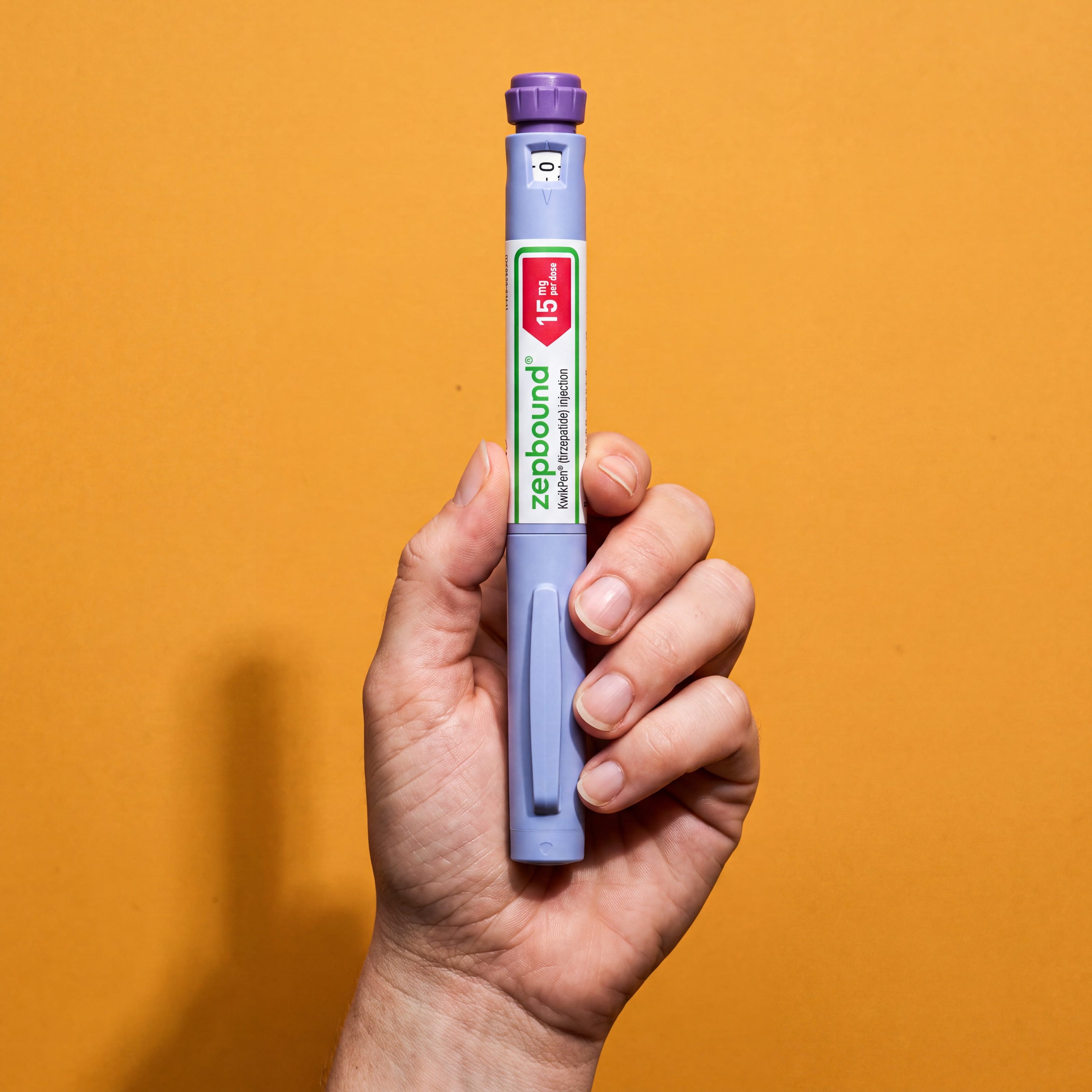
A licensed provider reviews your visit and prescribes a GLP-1 if it is appropriate. Dose changes, messaging and delivery are included.
See the treatmentHow much protein a day your body weight and your goal point to — and why the figure goes up, not down, when you are losing weight.
Aim for about
101g/day
1.2 g per kg of body weight
Maintaining · 1.2 g/kg
The lower end of the active-adult range. It is well above the RDA, which is a deficiency floor rather than a target, and enough to hold the muscle you already have.
These are figures for healthy adults. Kidney disease, liver disease and pregnancy all change protein requirements, and a clinician should set the number instead of a calculator.
Nothing you entered above follows this link.
Not medical advice. This tool is for general information and does not diagnose any condition or replace a clinician. Everything you enter stays in your browser — Koves does not store it, receive it, or carry it into a visit.
There are two different numbers in circulation and they answer two different questions. The RDA of 0.8 g per kg is the intake that prevents deficiency in a sedentary adult. The 1.2 to 2.0 g per kg range in the sports-nutrition position stands is the intake associated with holding or building lean mass.
This calculator uses the second range, because almost nobody arrives at a protein calculator asking how to avoid a deficiency.
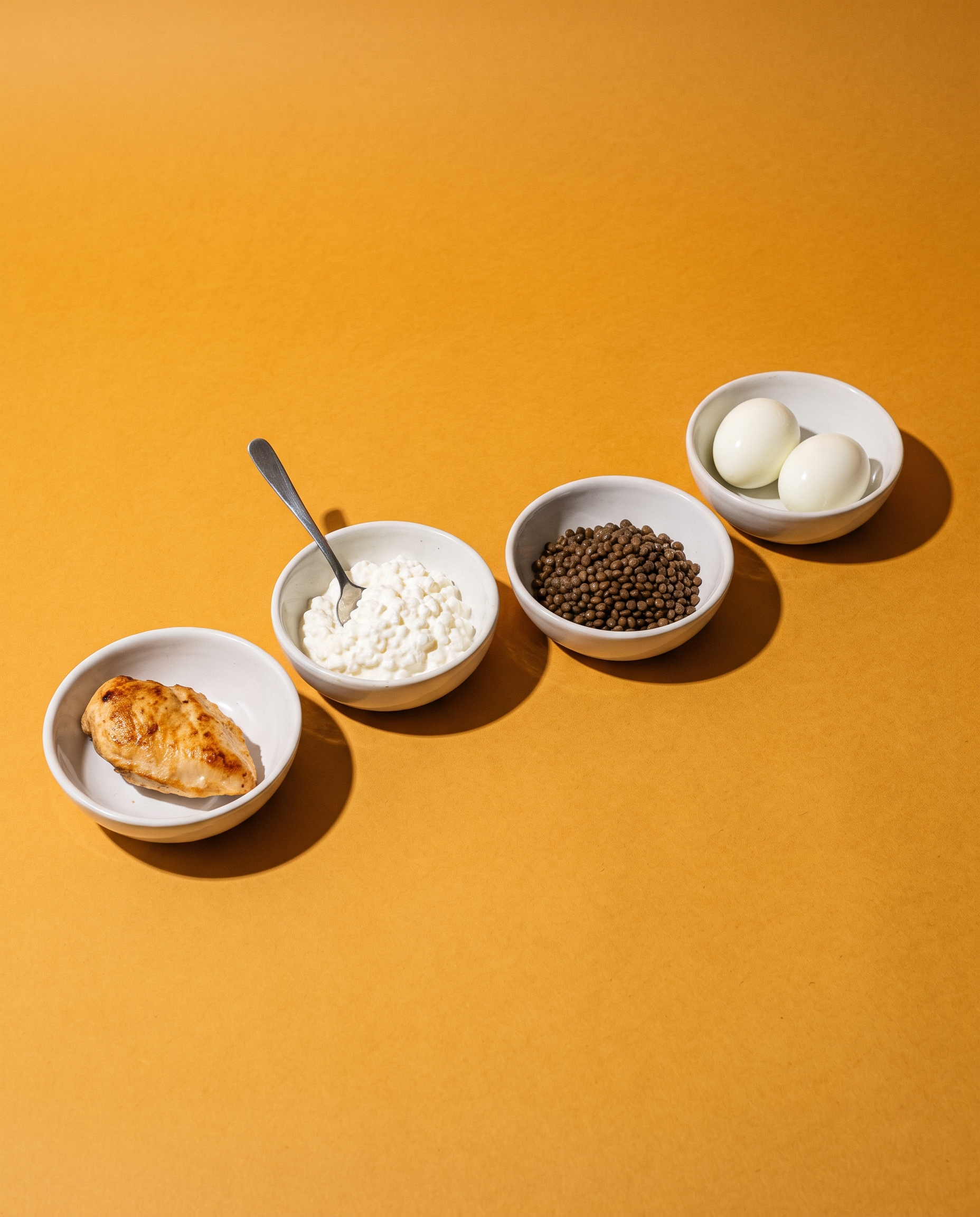
For scale: a large egg is about 6 g, 100 g of cooked chicken breast about 31 g, a cup of Greek yoghurt about 20 g, a cup of cooked lentils about 18 g.

Weight lost is never purely fat. In an energy deficit the body draws on lean tissue too, and how much depends heavily on two things: how much protein you eat and whether you are loading your muscles.
That is why the target here rises rather than falls in a deficit. The evidence is consistent across trials: higher protein plus resistance training preserves more lean mass at the same rate of weight loss.
This matters particularly on a GLP-1, where appetite falls sharply and total intake can drop faster than anyone plans. Protein and resistance training are the standard advice alongside treatment for exactly this reason.
More is not linearly better. Above roughly 2.0 g per kg the measured benefit flattens out — the position stands describe intakes above that as unnecessary rather than dangerous for healthy adults, and the limiting factor becomes training.
One multiplication: grams a day = body weight in kilograms × the factor for your goal — 1.2 maintaining, 1.6 losing, 2.0 building.
An 84 kg adult losing weight: 84 × 1.6 = about 134 g a day. Imperial entries are converted to kilograms before the multiplication, not after.
A licensed provider reviews your visit and prescribes a GLP-1 if it is appropriate. Dose changes, messaging and delivery are included.
See the treatmentThe position stands support up to about 2.0 g per kg of body weight a day for people training to add muscle. Above that the evidence for further benefit is weak; the training stimulus becomes the limiting factor rather than the protein.
Not for a healthy adult. It sits inside the 1.2–2.0 g/kg range both the ISSN and the ACSM joint position statement describe for active people, and it is the figure most commonly associated with preserving lean mass during weight loss.
In people with healthy kidneys, higher protein intakes within these ranges have not been shown to cause damage. In existing kidney disease protein is deliberately restricted — if you have any kidney condition, the number should come from your clinician.
This tool uses the weight you enter. At a high body fat percentage, calculating from total weight over-shoots what the lean tissue actually needs, so some clinicians work from goal weight or lean mass instead — either is defensible, and the difference matters less than consistently hitting whichever you choose.
No. The calculation runs in your browser and the values are never sent to Koves or anyone else. They are not stored, and they do not follow you if you open the weight loss page from here.

Losing weight is easy to do badly. Protein is most of the difference.
Start your online visit