Tomorrow is the day.
It was last week, too.
One online visit. A provider licensed in your state decides whether a GLP-1 is appropriate.
Start the visitOne online visit. A provider licensed in your state decides whether a GLP-1 is appropriate.
Start the visitWhich one, if any, is decided at your visit.
Which one, if any, is decided at your visit.
[AJ to confirm]
Membership required
[AJ to confirm]
Membership required

From $199 per month
Membership required

From $199 per month
Membership required

From $299 per month
Membership required
GLP-1 medications may cause serious side effects, including possible thyroid tumours. Do not use if you or a family member has had medullary thyroid carcinoma or Multiple Endocrine Neoplasia syndrome type 2. Prescription products require an online visit with a licensed provider who decides whether treatment is appropriate. Read the full safety information before you start.
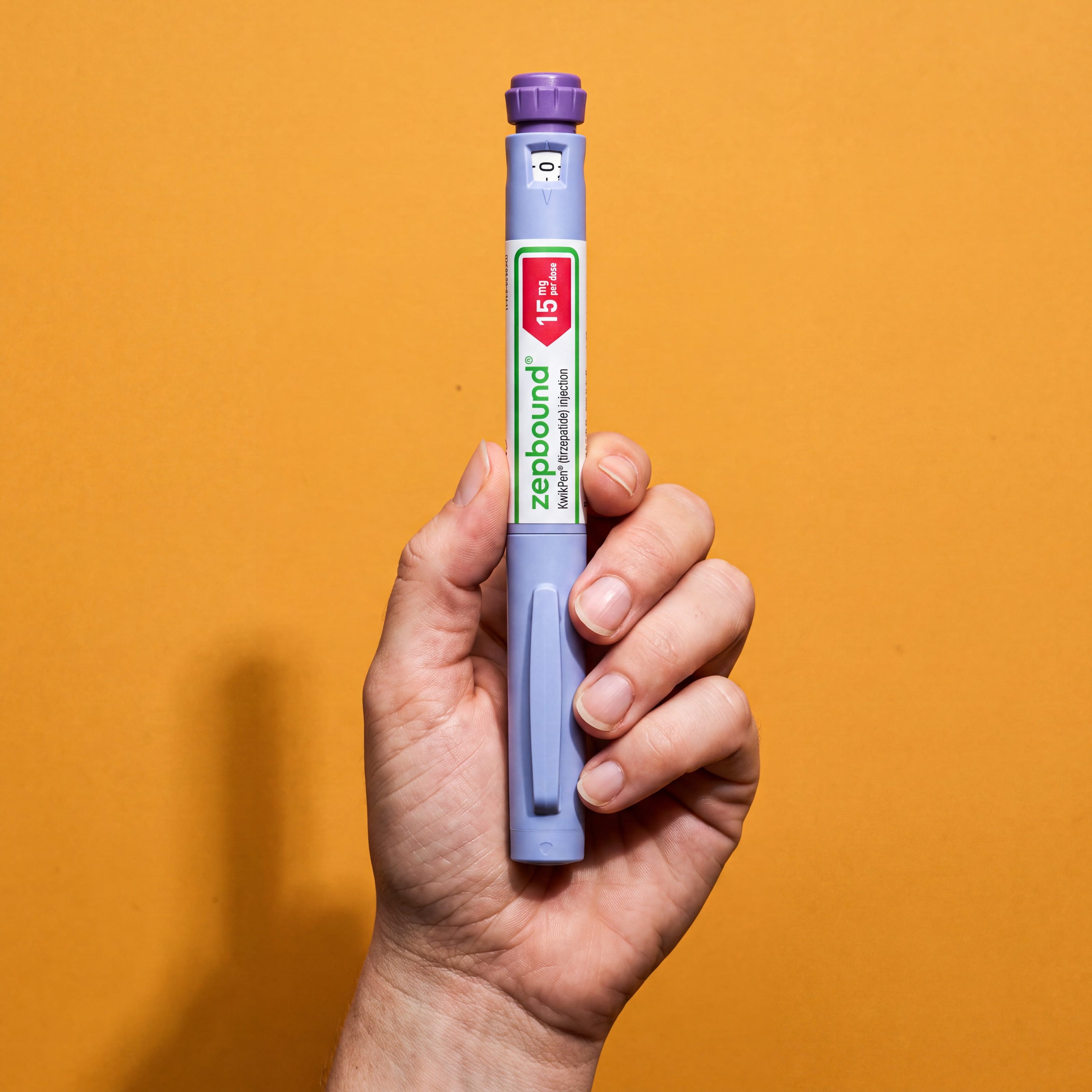
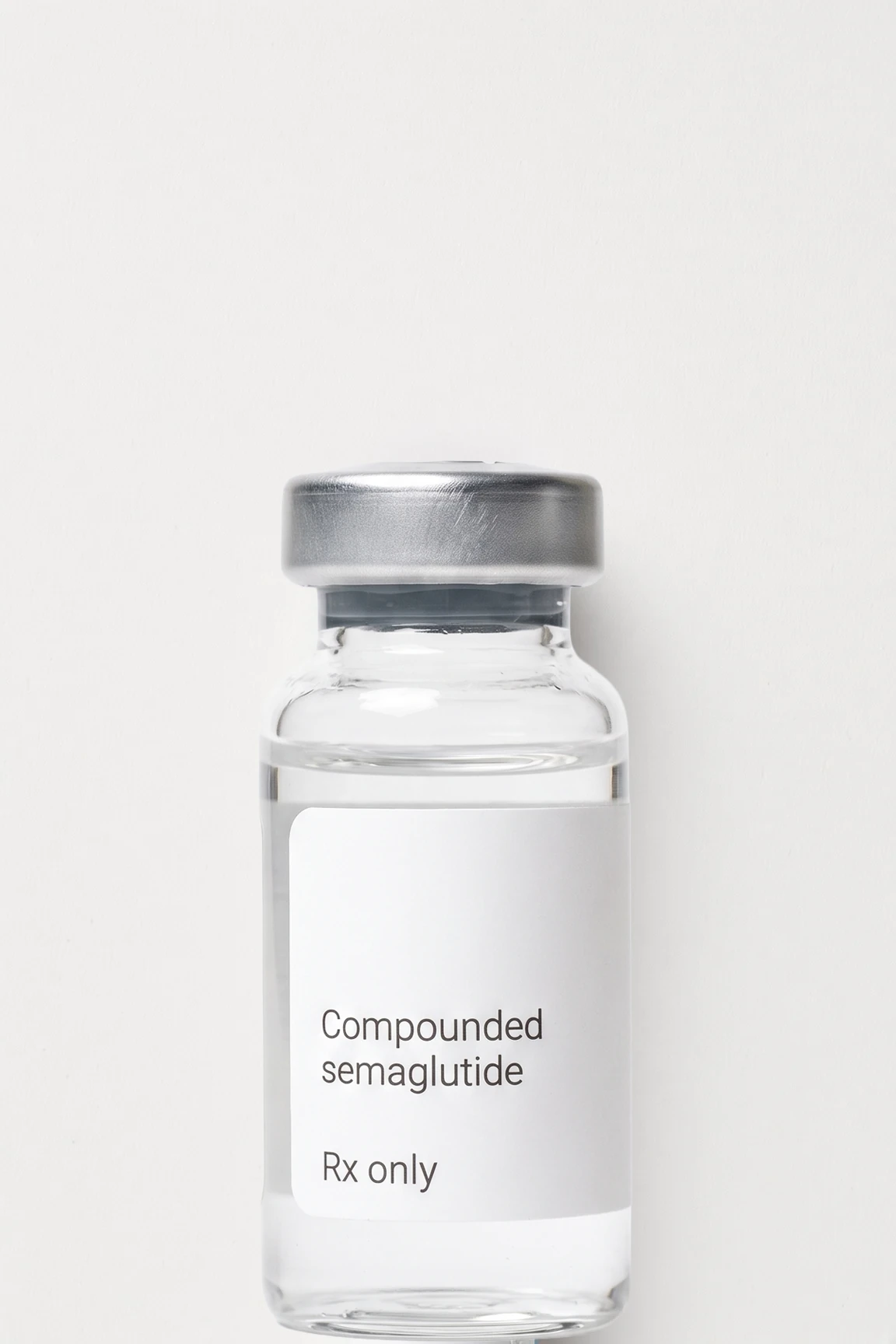
Prices are the medication only, if prescribed, and are placeholders pending final pharmacy costs. Compounded medications do not undergo FDA premarket review. Products are dispensed by an independent licensed U.S. pharmacy; presentations with the same molecule are not interchangeable without a provider’s direction. The FDA does not review compounded preparations for safety, effectiveness or quality in the way it reviews approved drug products, and a compounded preparation should not be assumed to be therapeutically equivalent to any approved product. The products above are listed as separate options, not as substitutes for one another. Wegovy® and Ozempic® are registered trademarks of Novo Nordisk A/S; Zepbound® and KwikPen® of Eli Lilly and Company. Koves is not affiliated with or endorsed by either.

Along with the medication, if it is prescribed:
Changes made before the next billing date apply to that shipment. A membership does not include the cost of the medication, and does not guarantee a prescription — a licensed provider decides whether treatment is appropriate.

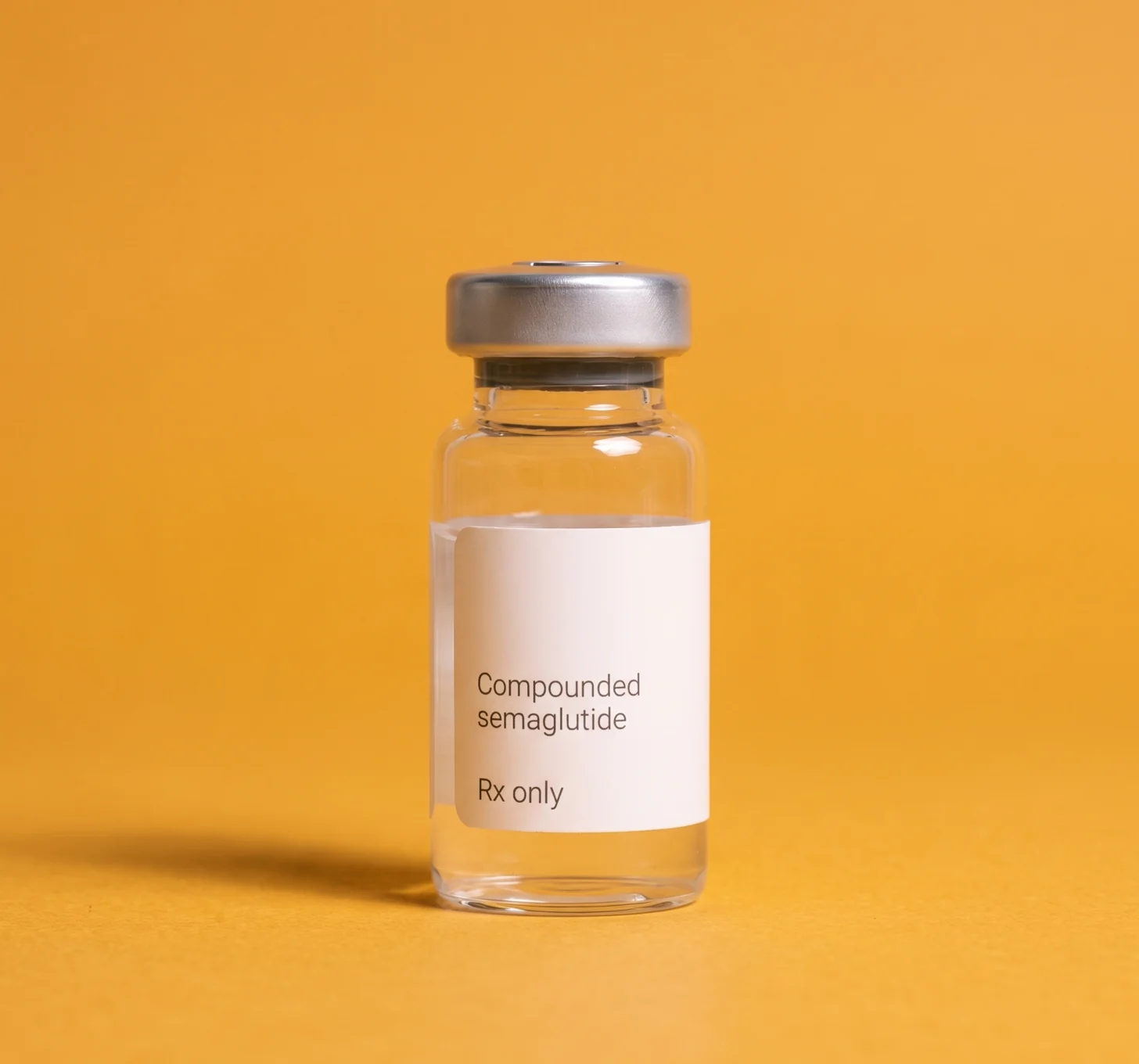
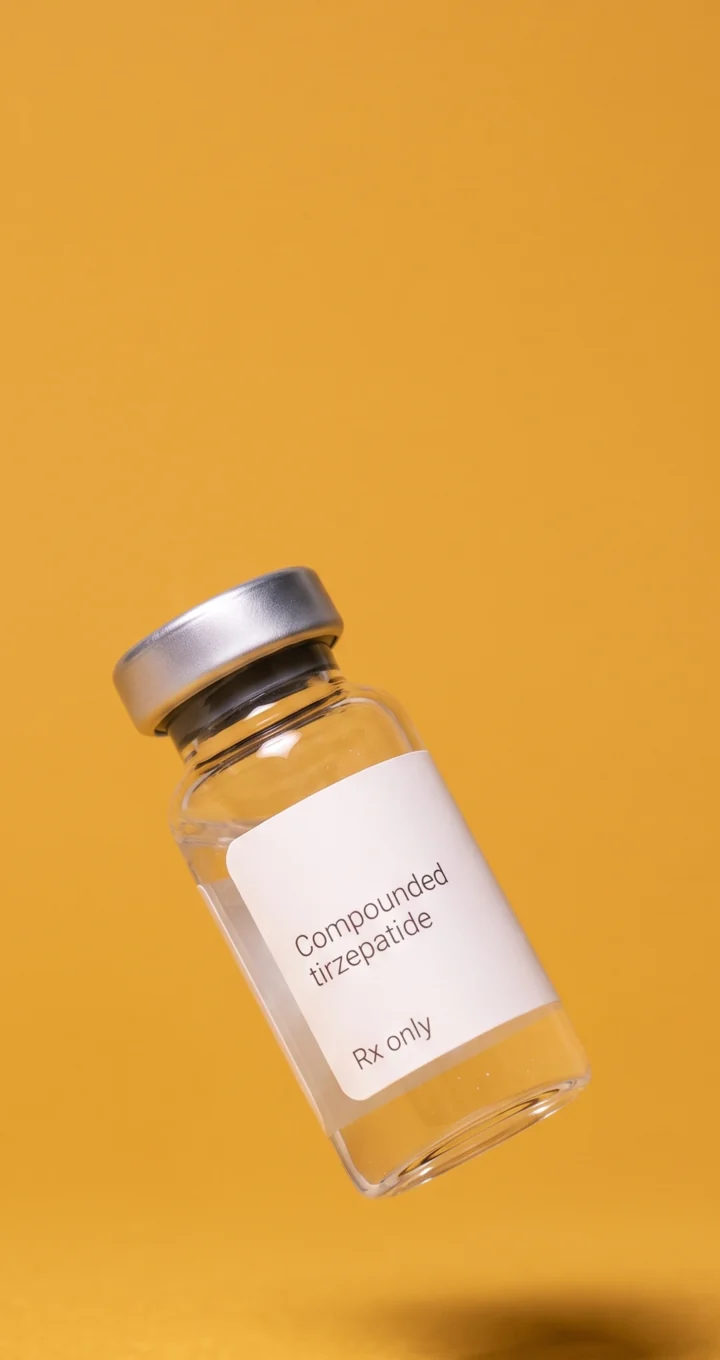
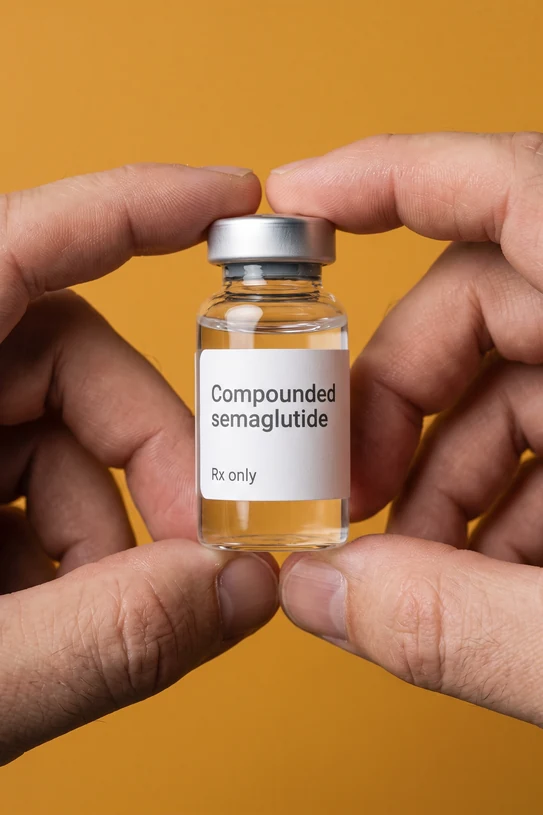
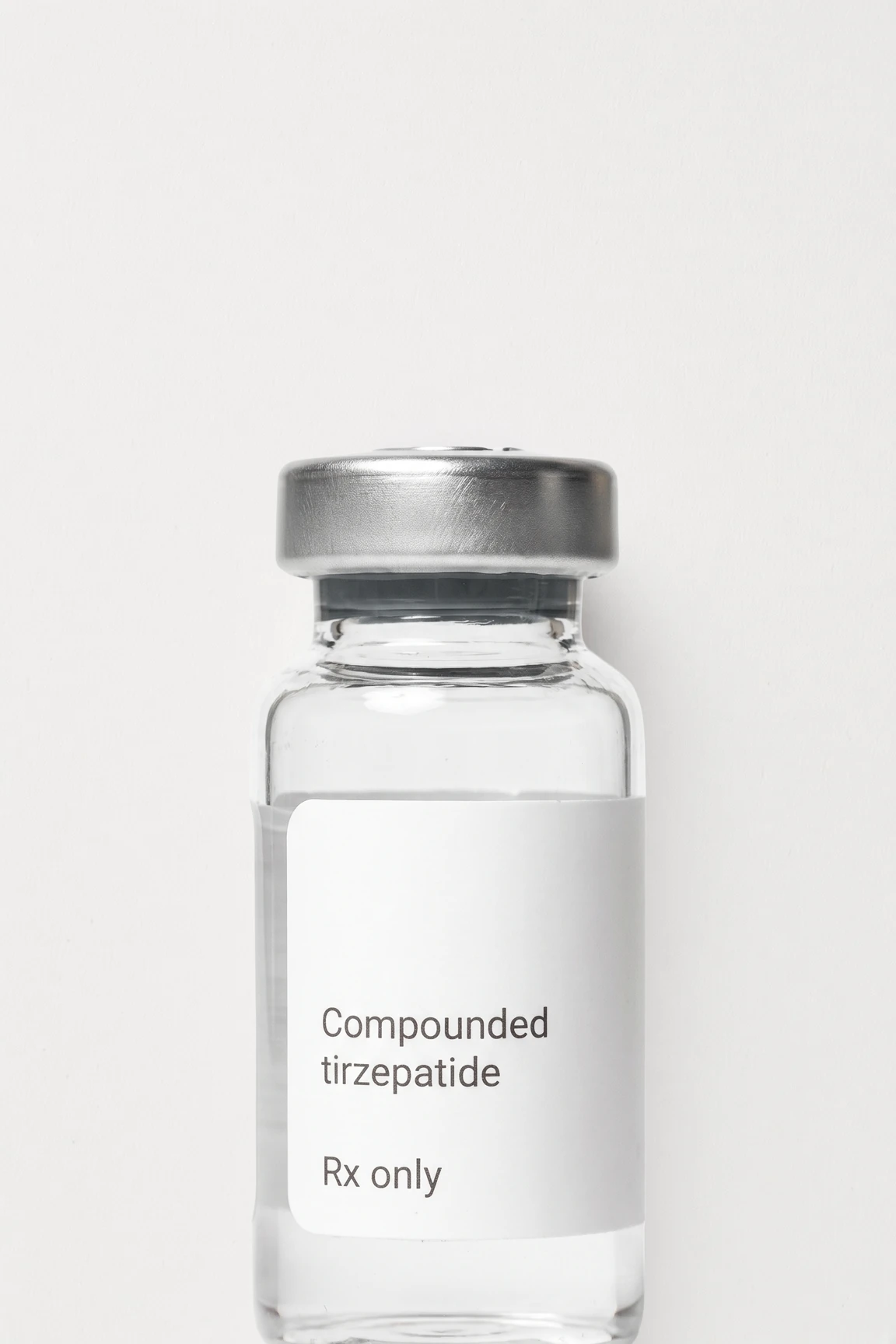
Both contain a GLP-1 molecule and both are prepared by a state-licensed pharmacy. Neither has undergone FDA premarket review, and which one fits — if either does — is your provider’s decision.

Your visit and every step up are read by a provider licensed in your state. Nothing here is auto-approved.
Message your provider the day it starts.
It is not there to produce weight loss.
Nausea and constipation are worst while the dose goes up.
Slowing one costs nothing and is usually enough.

Weight is the one you check every week. In the trials it was not the only thing that moved.
What the trials measured
Mean body-weight change over 68 weeks, in adults with overweight or obesity without diabetes.
Mean body-weight change over 72 weeks, in adults with obesity, without diabetes.
Against placebo, in adults with obesity and established cardiovascular disease.
Reported mostly during dose escalation, in the same population.
These are averages across large study populations, not a promise for any one person. Dose, starting weight, how long treatment continues and how a body responds all move the number. Secondary endpoints are reported as measured alongside weight change rather than as approved indications.
How do GLP-1 medications work?
They imitate a gut hormone released after eating, which slows how quickly the stomach empties and turns down appetite signalling in the brain. The practical effect is feeling full sooner and thinking about food less, so eating less takes less willpower.
How much weight do people lose?
In the trials: a mean of 14.9 % of starting body weight over 68 weeks on weekly semaglutide (Wilding et al., New England Journal of Medicine, 2021 (STEP 1)), and 20.9 % over 72 weeks on the highest tirzepatide dose (Jastreboff et al., New England Journal of Medicine, 2022 (SURMOUNT-1)), both against roughly 3 % on placebo. Those are averages across large study populations — dose, starting weight, how long you stay on treatment and how your body responds all move the number for any one person.
What are the side effects?
Nausea, constipation, diarrhoea and abdominal discomfort are the common ones, reported by roughly 44 % for nausea in STEP 1 against 17 % on placebo, and mostly during dose escalation. Serious risks include pancreatitis, gallbladder disease and dehydration-related kidney injury, and these medicines carry a boxed warning about thyroid C-cell tumours.
Tell your provider the day symptoms start. Slowing a titration step is usually enough, and it costs nothing.
What happens if I stop?
Appetite returns and, for most people, so does some of the weight — the medicine works while you take it. Treatment is usually planned as an ongoing thing rather than a course, and a provider can help you taper or switch rather than stop outright.

this year before.