




PrescriptionClinician-reviewed
Weight loss with Koves
A licensed provider reviews your visit and prescribes a GLP-1 if it is appropriate. Dose changes, messaging and delivery are included.
See the treatmentBody mass index is your weight against the square of your height. It is a screening number, not a diagnosis — here is what it is, and what a provider would look at next.
Your BMI
26.5
25.0 – 29.9
Your BMI is in the overweight range. On its own that is a screening result, not a reason to treat.
BMI does not distinguish muscle from fat, and it does not measure where fat sits. Two people at the same BMI can have very different risk.
Nothing you entered above follows this link.
Not medical advice. This tool is for general information and does not diagnose any condition or replace a clinician. Everything you enter stays in your browser — Koves does not store it, receive it, or carry it into a visit.

BMI is one calculation: your weight in kilograms divided by the square of your height in metres. It was built to compare populations, and it is used in the clinic because it is cheap, repeatable and needs nothing but a scale and a tape.
The adult cut-offs are the same for men and women and do not change with age. They are the World Health Organization’s, and the US clinical guidelines use the same boundaries.

BMI is where a weight conversation starts, not where it ends. US clinical guidelines put the threshold for weight-management treatment at a BMI of 30 or above, or 27 or above with a weight-related condition such as type 2 diabetes, high blood pressure or sleep apnoea.
That is a threshold for a discussion with a clinician — not a prescription. Whether medication is appropriate depends on your history, your other medicines and what you are trying to change.
Koves does not prescribe from a number. A licensed provider reviews your visit and decides whether treatment is appropriate at all.
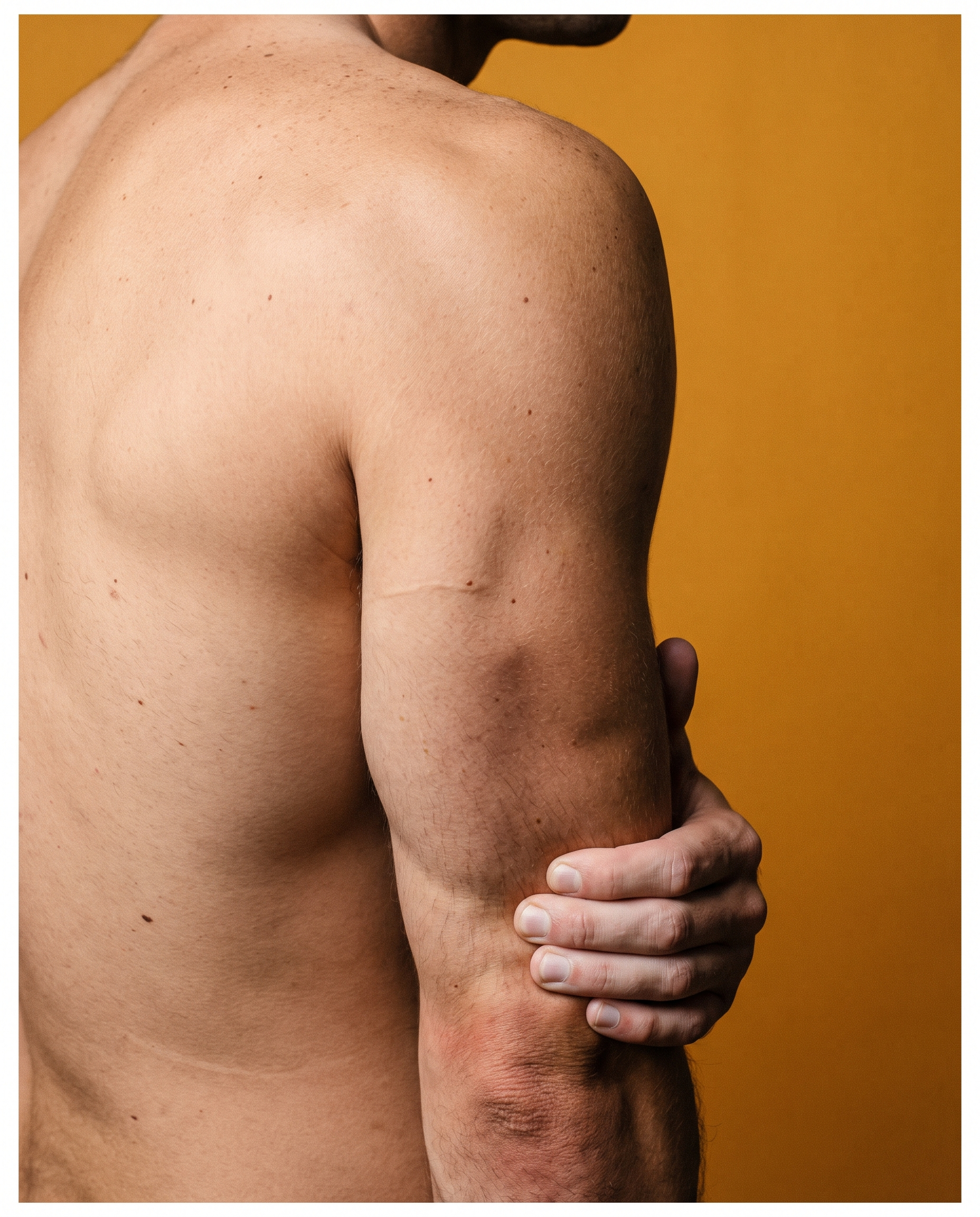
BMI has no way of knowing what your weight is made of. Muscle is denser than fat, so a lifter and a sedentary person of the same height and weight get the same BMI and are not in the same position.
This is why waist circumference and blood work sit next to BMI in the guidelines rather than behind it.
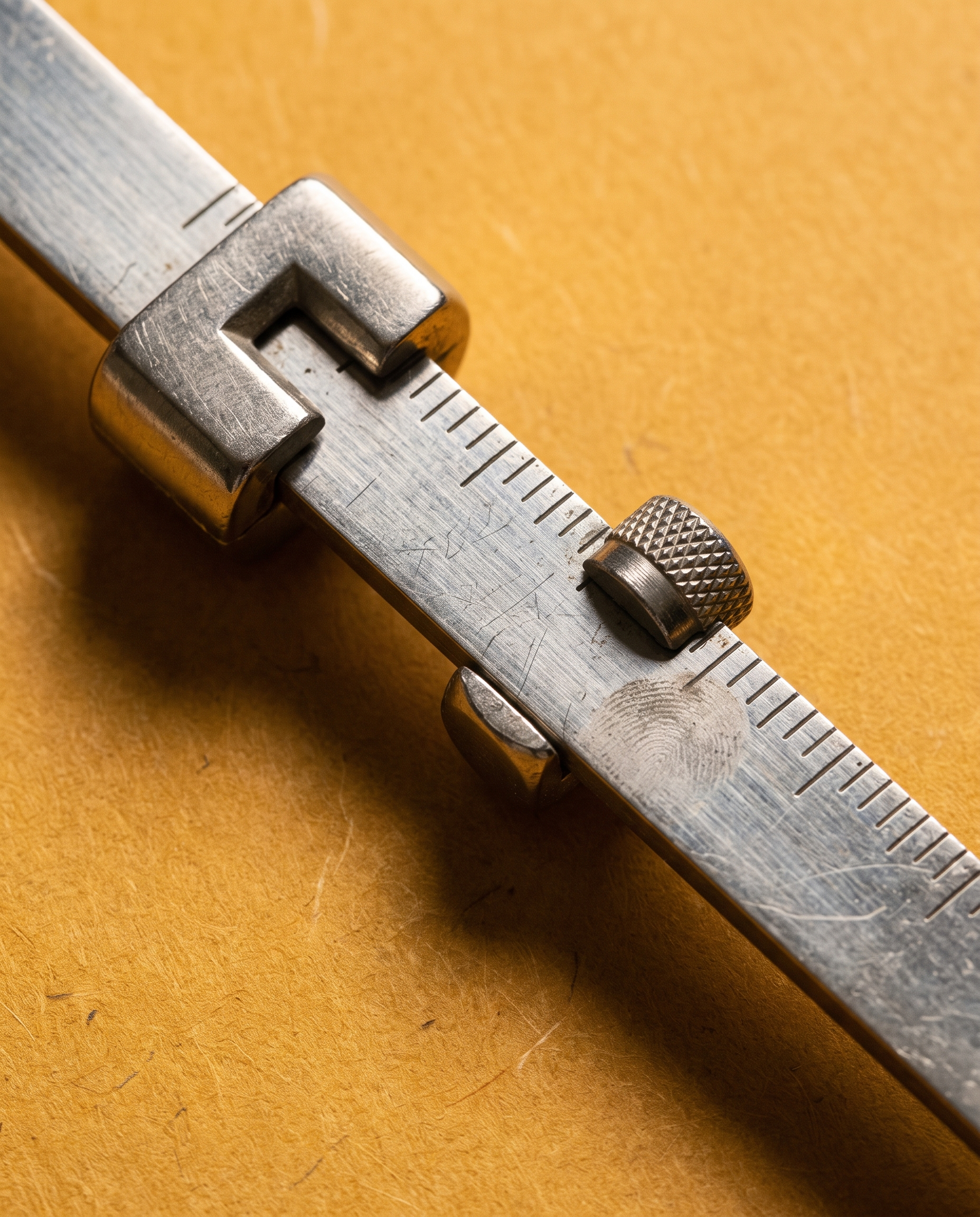
Metric: BMI = kg ÷ m². A person 1.78 m tall weighing 84 kg has a BMI of 84 ÷ (1.78 × 1.78) = 26.5.
Imperial: BMI = (lb ÷ in²) × 703, which is the same calculation with the unit conversion folded into one constant. This tool converts pounds and inches to kilograms and centimetres first, so both toggles give the same answer.
A licensed provider reviews your visit and prescribes a GLP-1 if it is appropriate. Dose changes, messaging and delivery are included.
See the treatmentNot on its own. BMI counts muscle and fat the same way, so a muscular person can land in the overweight or obesity range with low body fat. A clinician would use waist circumference, body composition or blood work instead of arguing with the number.
The cut-offs are the same. Body composition at a given BMI is not — women carry a higher proportion of body fat at the same BMI — which is one of the reasons the number is a screen rather than a measurement of health.
US clinical guidelines put the threshold at a BMI of 30 or above, or 27 or above with a weight-related condition. Meeting it does not mean a prescription is appropriate: that is a decision for a licensed provider after reviewing your history and current medicines.
No. The calculation runs in your browser and the values are never sent to Koves or anyone else. They are not stored, and they do not follow you if you open the weight loss page from here.

A number starts the conversation. A provider finishes it.
Start your online visit